


Across much of South East Asia, the Michelin logo no longer means what diners think it means. For most people, seeing Michelin does not bring to mind a detailed rating system with multiple tiers. It means one thing: Michelin star, exclusivity, and a special culinary experience.
That is the problem. Michelin may distinguish between stars, Bib Gourmands, and simple guide recommendations, but most diners do not understand those categories. They see the logo and assume prestige. In practice, Michelin has attached one powerful brand to three very different kinds of recognition, and the public reads them all in the most elevated way.
In tourist-driven food markets such as Thailand, that confusion changes behaviour. It affects where people go, what they expect, what they will pay, and how restaurants respond.

One brand, three meanings
Michelin officially separates its awards into three categories: Michelin stars, Bib Gourmands, and standard guide recommendations. In its own taxonomy, these are distinct. In public, they collapse into one idea because they share the same branding.
Most diners do not know what a Bib Gourmand is, and they are unlikely to distinguish between a recommendation and a star. They simply recognise Michelin, and Michelin still signals elite dining.
So when a restaurant displays Michelin branding, customers often read it as status, rarity, and destination-level quality. Restaurants have little incentive to correct that assumption.
The Bib Gourmand problem
A Michelin star is meant to signal exceptional, destination-level dining. A Bib Gourmand was designed to highlight good food at a fair price, often in places locals actually eat. These are very different ideas.
But in Thailand, Bib Gourmand often functions like a star in the public mind. Diners see Michelin, not the category. A local noodle shop and a star-level destination are pulled into the same prestige economy.
Michelin says the categories are different. In practice, they often create the same market effects.
The Google effect
Once the logo appears, the confusion spreads.
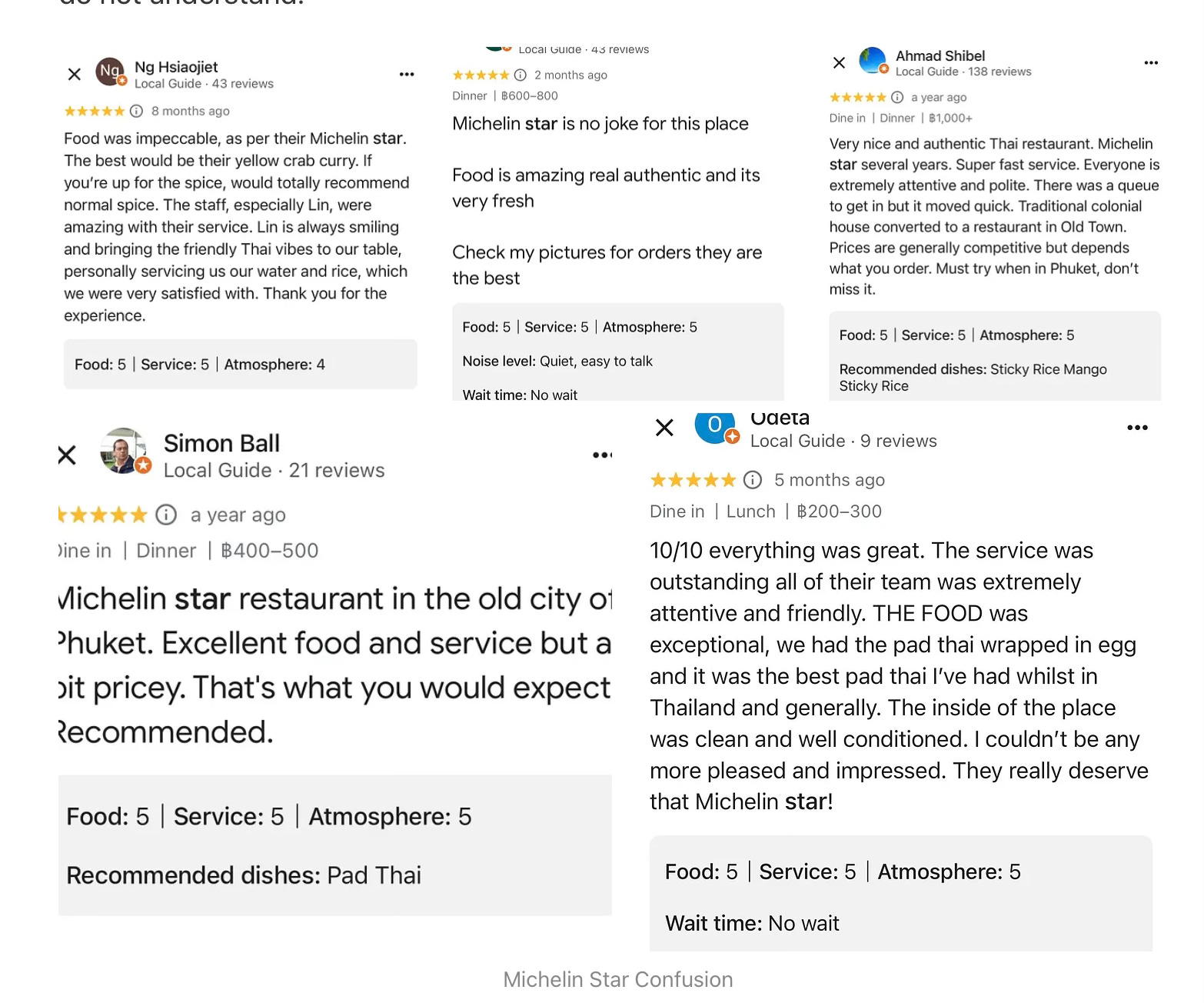
In Bangkok, Thipsamai Pad Thai is often described in reviews as Michelin-starred, despite never holding a star.
In Phuket, Raya Restaurant is widely framed online as a Michelin destination, though it is at most a former Bib Gourmand.
In Chiang Mai, PARI Restaurant is described by reviewers as Michelin-level despite never holding a star or Bib Gourmand and appearing only as a standard recommendation in the Michelin Guide 2025.
People are not inventing this confusion. They are responding to Michelin’s branding. Most people do not understand Michelin’s hierarchy. They only know the name, and the name suggests a starred, exclusive experience.
The sign on the wall
Sometimes the ambiguity is literal.
PARI in Chiang Mai displays a large red plaque reading MICHELIN 2025. There is no star, no Bib Gourmand, and no wording that tells a passer-by this is only a recommendation. To most people, Michelin simply reads as star.
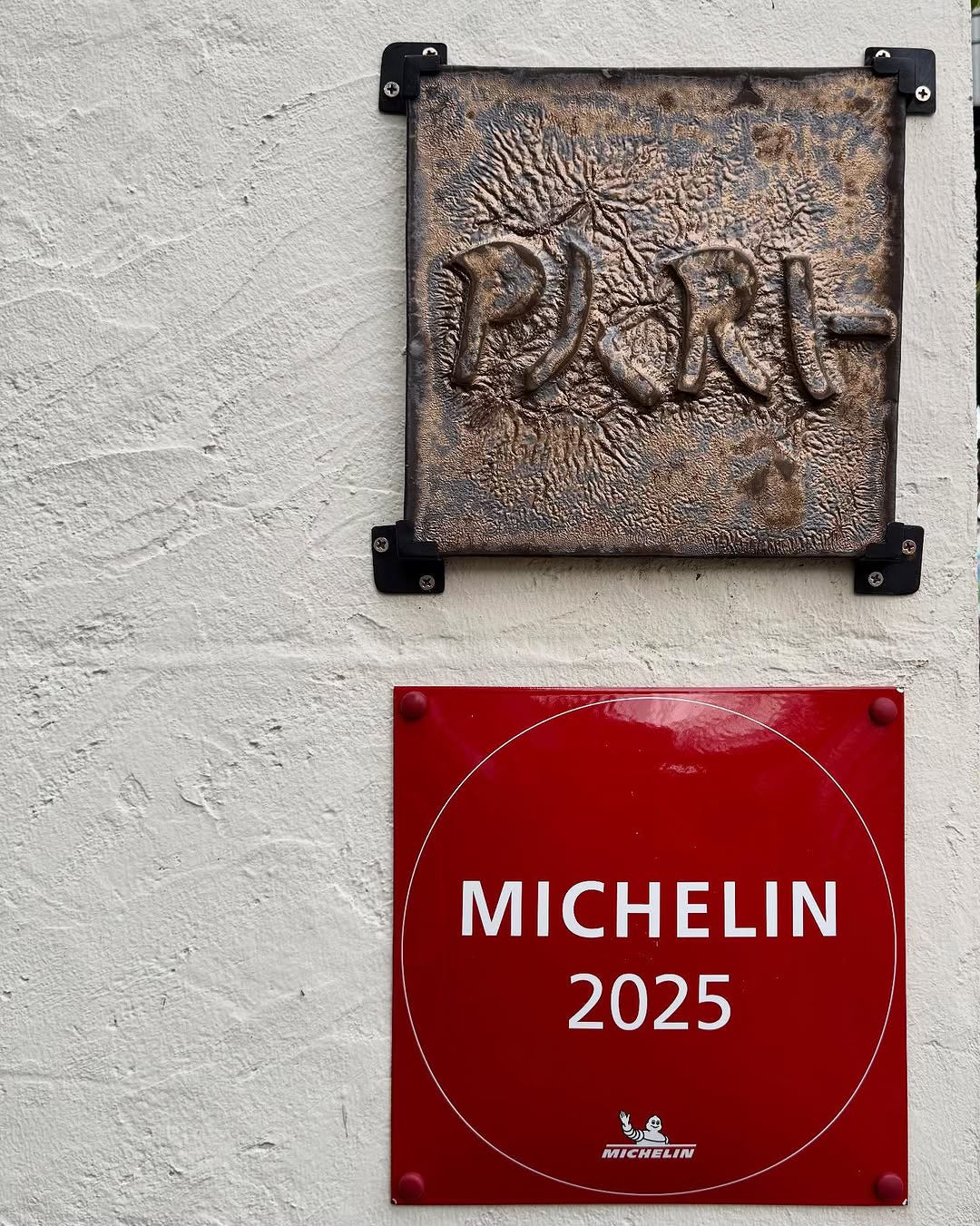
That is the issue. Michelin’s visual language does not communicate its internal distinctions in a way ordinary diners can grasp at a glance. A restaurant with the lowest level of recognition can still borrow the aura of Michelin-star prestige.
The market distortion
Once Michelin touches a restaurant, the effects can be immediate.
A neighbourhood favourite becomes crowded, overexposed, and more expensive. Tourists arrive expecting a Michelin-style experience, not simply a good local meal. Regulars disappear. Service becomes more transactional. The restaurant shifts from serving a community to serving non-repeat demand.
The food often changes as well. Spice softens. Funk fades. Distinctive flavours are toned down in favour of broad appeal. The restaurant stops cooking for locals and starts cooking for visibility.
Why it matters
This is not just hype. It is cultural distortion.
Locals know what a dish should cost, how it should taste, and when standards slip. Tourists usually do not. They come once, spend more freely, and leave. When locals are pushed out, accountability weakens.
That is how an ordinary restaurant becomes a prestige product. A dish that should cost 80 baht becomes 300, not because it became exceptional, but because the logo changed what people think they are buying.
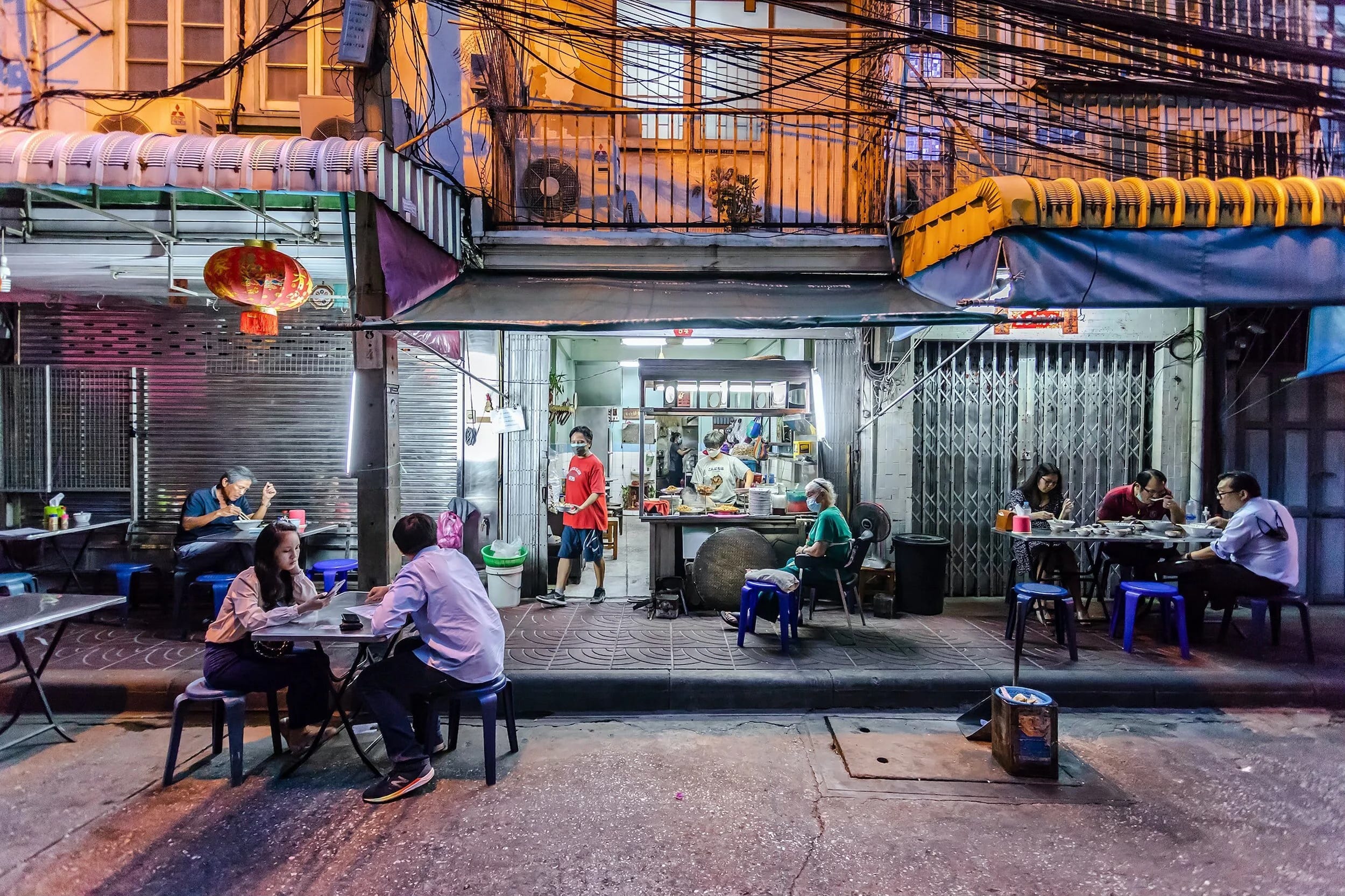
Michelin has not simply documented dining in Thailand. It has reshaped it through a branding system most people misunderstand. Whatever Michelin intends internally, most diners see the logo and think star, exclusivity, and a special culinary experience.
Michelin stars are not the issue. The issue is that Michelin uses one prestige brand across three very different categories while knowing the public reads them all the same way. If those distinctions are meant to matter, they need to be obvious at a glance. Until then, Michelin will keep distorting local restaurant culture by letting every red plaque borrow the meaning of a star.